020 3744 3778
Inspirations for a Fun and Educational Child's Garden
Posted on 24/06/2025
A child's garden is more than just a patch of dirt--it's a magical space filled with possibilities, discovery, and growth. Beyond the simple beauty of plants and flowers, these gardens offer endless opportunities for learning, creativity, and play. If you are searching for inspirations for a fun and educational children's garden, this comprehensive article will guide you through ideas, design tips, and engaging activities to make your child's gardening experience truly unforgettable.
Why Create a Garden for Kids?
Before exploring detailed children's garden themes and features, it's important to understand why these outdoor spaces are so beneficial. A kids' garden is not just for horticultural fun; it can be a powerful tool for hands-on learning and development.
- Boosts Creativity: Designing and caring for a garden offers children countless ways to express themselves.
- Encourages Responsibility: Nurturing plants teaches patience, discipline, and the rewards of tending to living things.
- Supports STEAM Learning: Gardening introduces concepts in science, technology, engineering, art, and math, all in one vibrant environment.
- Enhances Physical Health: Planting, digging, and outdoor play help develop motor skills and keep children active.
- Fosters Environmental Stewardship: Caring for a child's garden builds respect and love for nature from a young age.
Garden Themes to Spark Imagination
Children thrive on stories, themes, and adventures. By choosing a child-friendly garden theme, you can transform a simple backyard into a wonderland of exploration. Here are some garden design inspirations to get you started:
1. Fairy Tale & Fantasy Gardens
Bring classic stories to life! Use small toadstool seats, miniature fairy houses, and wind chimes. Plant colorful, exotic flowers like snapdragons, foxglove, and bluebells for a dreamlike effect. Add winding pebble pathways and tiny bridges to invite magical play and storytelling.
- Miniature houses for fairies or woodland creatures
- Glowing solar lanterns for twilight adventures
- Hidden "treasure" stones or shells for scavenger hunts
2. Sensory Exploration Gardens
Sensory gardens are perfect for young kids. Plant herbs and flowers with interesting textures, scents, and colors--such as lavender, lamb's ear, and sunflowers. Install sand or water play stations, and use wind chimes, musical stepping stones, or bamboo for sound exploration.
- Plants that smell, feel, or sound intriguing
- Low-lying herbs for easy touching and sniffing
- Pathways lined with different natural textures
3. Edible Gardens for Kids
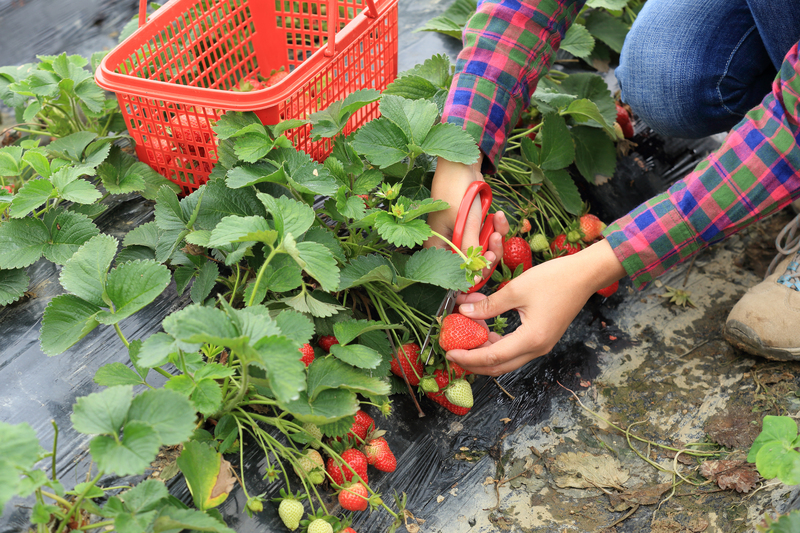
Combine gardening with healthy eating! A kids' vegetable garden is an exciting way to teach children about where food comes from. Select easy-to-grow crops with rapid results: cherry tomatoes, peas, lettuce, strawberries, and sunflowers make great choices.
- Raised garden beds at child height
- Rainbow rows of vegetables for visual appeal
- Labeled plant markers with child-friendly art
4. Butterfly and Pollinator Paradise
Attract lively creatures and observe the roles of bees and butterflies in nature. Plant nectar-rich blooms such as milkweed, zinnias, and coneflowers. Make a simple butterfly puddling station and teach children about pollination and life cycles.
- Bug hotels and bee houses
- Butterfly identification charts
- Colorful stepping stones painted as insects
5. Science and Discovery Stations
Designate a corner of the garden for mini-experiments. Set up a simple weather station, a worm compost bin, or magnifying glasses for close-up study. Use this space for hands-on science lessons about plants, insects, or the water cycle.
- Solar-powered garden gadgets
- Rain gauges and thermometers
- Sundials and "secret" nature journals
Designing a Child's Garden: Tips and Considerations
When planning your children's educational garden, think from a child's height and perspective. Here are some top design tips for an inviting, safe, and stimulating garden:
- Accessibility: Use wide paths, raised beds, and reachable plantings so little hands can participate easily.
- Safety First: Avoid toxic plants. Fence off water features, use non-slip surfaces, and keep clear sight lines for supervision.
- Seating Nooks: Tuck in story corners, benches, or a play tent for peaceful moments or reading time.
- Color and Whimsy: Paint fences, pots, or stepping stones in bold colors. Add wind spinners or garden gnomes.
- Tools for Little Gardeners: Provide child-sized trowels, gloves, watering cans, and aprons for a sense of ownership and safety.
Engaging Activities for Kids in the Garden
A truly fun and educational kids' garden comes alive with daily activities. Here are hands-on projects that keep children excited and learning year-round:
Plant-and-Grow Science Experiments
- Sprout beans in a jar: Let children observe root growth from seeds using a glass jar and moist paper towels.
- Sunflower races: Each child plants a sunflower and measures their height weekly--a lesson in patience and biology.
- DIY composting: Build a simple compost bin for food scraps and garden waste and track decomposition together.
Creative Crafts Using Natural Materials
- Paint rocks as garden markers or art
- Weave leaves and flowers into crowns
- Create "bug hotels" from recycled cans and sticks
Storytelling and Imagination Play
- Host a fairy tale picnic among the flowers
- Have a scavenger hunt for special leaves or insects
- Invent garden characters and stage puppet shows outdoors
Nature Journaling and Observation
- Give each child a garden journal to draw, press flowers, or record plant progress
- Practice mindfulness by listening quietly to outdoor sounds
- Try "sit spots" to notice changes over seasons
Best Plants for a Child's Learning Garden
Selecting the right plants is essential for fostering a love of gardening in young children. Choose hardy, low-maintenance, and fast-growing species that offer sensory or edible rewards.
- Sunflowers: Towering, easy to grow, and offer seeds to harvest
- Strawberries: Sweet, snackable, and fun to pick
- Marigolds and Nasturtiums: Edible, bright flowers that deter pests naturally
- Mint, Basil, and Sage: Fragrant for touching and tasting
- Radishes and Lettuce: Quick to sprout for instant gratification
- Pumpkins or Gourds: For autumn harvest and decoration
Teaching Life Skills in the Garden
A child's educational garden goes far beyond botany. With proper guidance, kids learn:
- Responsibility: Through daily watering and weeding
- Teamwork: By collaborating on planting, chores, and creative projects
- Problem Solving: When troubleshooting pests, weather changes, or plant diseases
- Math and Counting: By measuring growth, counting seeds, and mapping garden beds
Make discussions engaging by asking questions like, "What do plants need to grow?" or "How do pollinators help our garden?" Encourage observation and curiosity at every step.
Garden Fun in Any Space: Adapting for Urban and Small Yards
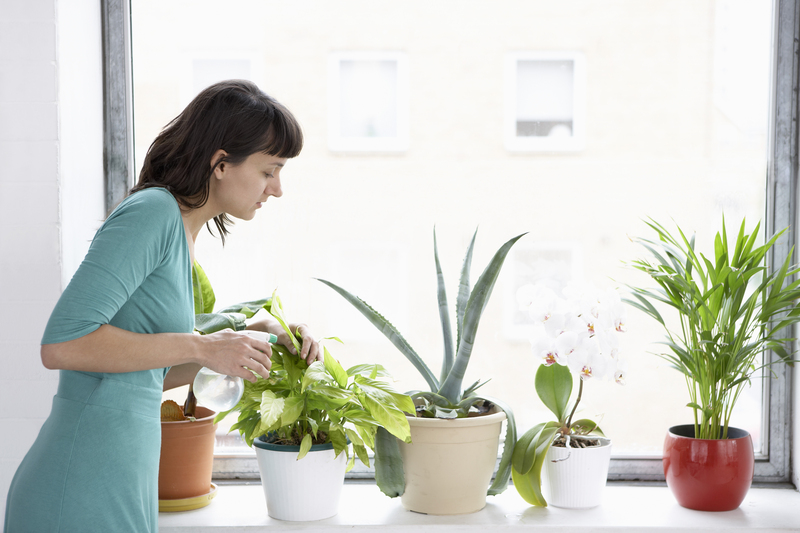
Even if you have limited space or live in an apartment, a miniature children's garden is possible! Try:
- Container Gardening: Use pots, buckets, or window boxes for herbs, veggies, or flowers
- Vertical Gardens: Install pocket planters or trellises along a wall or fence
- Fairy Gardens: Create tiny landscapes in planter boxes or old drawers
Indoor gardening kits or hydroponic units can also bring the wonders of nature right to your kitchen windowsill.
Seasonal Activities to Keep Kids Engaged Year-Round
A fun and educational child's garden evolves through the seasons. Plan thematic activities for each time of year:
- Spring: Sow seeds, start a "mud kitchen," and observe pollinators.
- Summer: Harvest vegetables, try flower pressing, and host outdoor story hours.
- Autumn: Decorate with gourds, build leaf piles, and collect seeds for next season.
- Winter: Make icy sun catchers, create bird feeders from pinecones, and design garden plans for spring.
Encouraging Children's Curiosity and Ownership
A child's learning garden is most successful when kids feel it's truly theirs. Let children make choices about what to plant or where to put garden features. Celebrate their efforts--whether with colorful garden signs, a photo diary, or a tasting party with harvested treats.
Involve them in planning and reflection. Ask, "What worked best?" or "What should we try next year?" Their voices and ideas will ensure the garden remains both educational and irresistibly fun.
Conclusion: Growing More Than Plants
Creating a fun and educational child's garden is one of the best gifts you can give--inviting kids to learn about the world, explore their imagination, and grow in confidence and skill. Whether your space is vast or modest, with thoughtful design, creativity, and a bit of dirt, you can cultivate not only beautiful plants but also lasting memories and valuable life lessons for growing minds.
For more kids' gardening inspiration, remember: every seed you plant with your child is a seed of curiosity and wonder. Go outside--your garden adventure awaits!
Latest Posts
Simple Steps to a Bountiful Herb Garden
Embracing Nature with Vertical Gardening
Master the Art of Peace with Zen Garden Ambiances