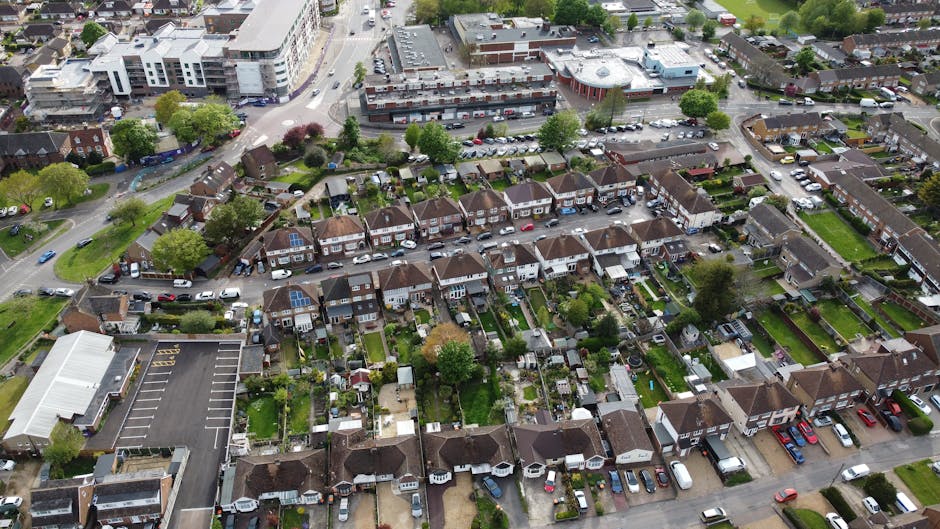
Abbey Wood gardeners access tips for flats and estates

If you live in a flat, a managed block, or a larger estate, gardening can feel oddly complicated before a single plant is touched. Gates need keys. Communal paths need protecting. Neighbours may be at work, a concierge may have set hours, and one missed access detail can turn a simple visit into a slow, awkward morning. That is exactly why Abbey Wood gardeners access tips for flats and estates matter: they help outdoor spaces get maintained properly, safely, and without fuss.
In practice, the best results come from a mix of clear access planning, realistic scheduling, and a few local know-how habits. Below, you will find a practical guide for residents, property managers, and anyone arranging garden work in shared spaces. There are simple steps, common pitfalls, and a few expert touches that make life easier. Truth be told, the small details are usually the ones that save the most time.
Why Abbey Wood gardeners access tips for flats and estates Matters
Access is not just a logistical detail. For flat blocks and estates, it is often the difference between routine maintenance and a job that gets delayed for weeks. If a gardener cannot get through the side gate, reach the bin-store courtyard, or access the communal rear lawn, even straightforward work like hedge trimming or seasonal tidy-ups becomes harder than it should be.
Shared housing also tends to have more moving parts than a single private garden. There may be residents' parking bays, coded entrances, lift restrictions, shared storage areas, or specific times when noise is acceptable. A gardener who understands those patterns can work quietly and efficiently, which matters when people are coming and going, children are outside, or someone is on a night shift and just wants peace.
There is also a trust element. In estates and apartment settings, many residents are understandably cautious about letting contractors in. Clear access plans reduce confusion, reduce complaints, and help everyone feel more comfortable. That is especially important in places where multiple households share the same outdoor areas and nobody wants a mower wheel clipping a paving edge at 8am. Not ideal. Not at all.
If you are weighing up garden upkeep across a managed property, it may help to think of it alongside broader maintenance planning. Our experience is that a well-run routine often works best when it sits within wider garden maintenance rather than being treated as a one-off emergency.
How Abbey Wood gardeners access tips for flats and estates Works
In practical terms, good access planning starts before the gardener arrives. The key is to remove guesswork. A contractor needs to know where to enter, who can grant access, what to avoid, and what time windows are realistic. That might sound obvious, but when information is passed on casually, little things get lost. One resident thinks the gate code is current; another swears the side entrance is always open; the gardener turns up and waits outside, looking at a locked door and a patch of lawn that now has to wait until next week.
For flats and estates, access usually works best when the booking includes four details:
- Entry point - which door, gate, or concierge desk should be used.
- Contact person - who can confirm access if plans change.
- Working window - the best times to avoid residents, deliveries, or peak foot traffic.
- Site rules - any restrictions on parking, noise, tools, waste removal, or communal spaces.
In more complex buildings, the gardener may also need temporary parking instructions, lift access for equipment, or permission to leave green waste in a designated collection area. A good contractor will ask these questions early. If they do not, that is a small warning sign. You want someone who thinks ahead, not someone who discovers the problem while standing at the gate with a hedge trimmer in hand.
For residents who like a more compact approach to outdoor work, container planting and vertical gardening can reduce the need for frequent heavy access. If that sounds useful, the article on container gardening made simple is a practical read, and vertical gardening ideas can help where floor space is tight.
Key Benefits and Practical Advantages
When access is planned properly, the benefits show up quickly. The garden looks tidier, yes, but there is more to it than appearance.
- Fewer missed visits - no wasted journeys, no rescheduling loops, no awkward back-and-forth.
- Less disruption to residents - work happens when it suits the site, not just when the calendar says so.
- Better safety - people are less likely to walk into active work zones or trip over tools.
- Cleaner presentation - communal spaces stay neat, which matters in shared living environments.
- Lower long-term cost - regular, efficient visits often prevent small problems becoming expensive ones.
There is also a subtle social benefit. In estates, people notice whether shared areas are cared for. A well-maintained lawn, clipped boundary growth, and swept paths can change the way a block feels. It becomes calmer. More lived-in, less neglected. And frankly, that is worth something.
Where outdoor space is limited, low-maintenance planting can make a huge difference. For ideas that reduce upkeep without looking sparse, see low-maintenance garden ideas and ground cover plant varieties.
Expert summary: In flats and estates, access is part of the gardening job, not an afterthought. The smoother the entry process, the better the result for residents, contractors, and property managers alike.
Who This Is For and When It Makes Sense
This approach is useful for a few different people, and each group tends to have slightly different priorities.
- Flat residents with balconies, courtyards, or shared garden strips who want regular upkeep without upsetting neighbours or management.
- Estate managers and managing agents who need a dependable routine for communal grounds, entrances, and boundary planting.
- Housing associations and landlords looking for a tidy, consistent appearance across multiple blocks.
- Resident groups or neighbourhood committees who organise one-off tidy-ups, planting refreshes, or seasonal work.
- Homeowners in mixed-access developments where private and shared spaces meet and permissions matter.
It makes sense any time access is more complicated than a normal front and back garden. If a gardener needs to coordinate with a concierge, work around resident parking, or use a shared service yard, then access planning should be written down rather than left to memory. Memory is a slippery thing on busy mornings.
If your site has overgrown edges, ivy, or tired planting that keeps creeping into pathways, it is often worth combining access planning with a proper refresh. A useful starting point is how to begin a garden restoration, especially where the space has been neglected for a while.
Step-by-Step Guidance
Here is a practical way to organise gardening access for flats and estates without making it overcomplicated.
- Map the site first. Note every relevant entrance, gate, lock, route, and communal area. Include the bits people forget, like side access, bin-store paths, and rear service doors.
- Confirm who authorises entry. Is it the resident, the building manager, the concierge, or a committee member? Decide this before work is booked.
- Agree the working times. Choose times that suit residents and reduce noise conflict. Mid-morning or early afternoon often works better than the school-run chaos of early morning.
- Share site-specific instructions. Mention pets, fragile planting, secure doors, water tap locations, and anywhere the team should not enter.
- Prepare keys, codes, or escort arrangements. If access depends on a code that changes often, make sure the contractor has the current version on the day.
- Protect communal surfaces. Put mats, corner guards, or simple route guidance in place where needed so tools and wheelbarrows do not mark flooring or paving.
- Plan waste and clean-down. Decide where clippings go, whether bags are removed the same day, and who checks the site afterwards.
- Review after the first visit. A short debrief often reveals small improvements: a better gate route, a different parking arrangement, or a clearer contact chain.
That last step matters more than people think. The first visit usually shows where the process is clunky. Fixing it early saves headaches later.
For seasonal jobs, especially if the estate has shrubs, borders, or exposed planting, a winter prep routine can be helpful. The guide on preparing your garden for winter is handy for avoiding frost damage and messy overwintering growth.
Expert Tips for Better Results
Once the basics are sorted, a few practical habits make shared-site gardening much smoother.
1. Use a single point of contact
One person should coordinate access, even if several residents have opinions. If everyone sends different instructions, mistakes creep in. A single contact keeps things calm and saves time. Simple, but effective.
2. Keep a permanent access note
For repeat visits, write down the useful details: gate code timing, parking restrictions, preferred entry route, and any quirks. For example, one estate may have a gate that sticks slightly after heavy rain. Another may need the contractor to avoid the main entrance during lunchtime because residents come through in waves.
3. Choose compact equipment where possible
Flats and estates often benefit from lighter, quieter tools. Not because bigger equipment is bad, but because compact kit is easier to carry up stairs, through gates, and around parked cars. There is less noise, less fuss, and fewer chances of clipping walls or railings.
4. Match the planting to the access reality
If access is awkward, choose planting that does not require constant intervention. Evergreen climbers, resilient ground cover, and simple herb beds can keep a communal area attractive without demanding weekly attention. You can explore evergreen climbers for shady corners and simple steps to a bountiful herb garden for ideas that suit tighter spaces.
5. Think about neighbours before you think about the mower
It sounds obvious, but in shared housing, timing is part of the service. Avoid loud work during obvious rest periods where possible, and let residents know when access paths may be temporarily busy. People are usually much more understanding when they know what is happening.
If you need a calmer, more sheltered feel in a block garden, especially on breezier estates, have a look at gardening for windy spaces and zen-style garden ideas. Sometimes a small design change makes access maintenance easier too.
Common Mistakes to Avoid
Most access problems are not dramatic. They are small, boring, repeatable mistakes. That is what makes them annoying.
- Assuming the gate will be open - never rely on luck if a key or code is needed.
- Sending incomplete directions - "the back entrance" is not always enough in a larger estate.
- Ignoring resident routines - bins, school runs, deliveries, and dog walks all affect access.
- Forgetting parking - a van parked badly can block the whole job before it begins.
- Not mentioning fragile areas - newly laid turf, loose paving, and decorative edging should be flagged.
- Skipping a clean-down plan - clippings left in the wrong place make complaints much more likely.
- Using too many decision-makers - if five people can alter the plan, the plan will wobble.
There is also a design mistake that crops up a lot: choosing planting that only looks good on day one. In a shared site, maintenance access may be limited, so it pays to avoid overcomplicated borders that need constant fiddling. A slightly simpler scheme can look far better six months later, which is the part people actually live with.
For weed-prone edges and neglected gaps, practical control is often more valuable than fancy planting. See simple ways to reduce weeds and how to tackle ivy properly if your shared spaces need a reset.
Tools, Resources and Recommendations
Good access work is easier when the right tools and admin basics are in place. Nothing fancy. Just the things that keep the job neat and predictable.
| Need | What helps | Why it matters |
|---|---|---|
| Site access | Current key, code, escort contact, entry notes | Avoids delays and repeated visits |
| Communication | One named contact, clear booking message, arrival window | Reduces confusion and missed handovers |
| Protection | Ground sheets, path covers, lightweight equipment | Helps protect communal finishes |
| Planning | Calendar reminder, seasonal schedule, waste plan | Supports consistency across the year |
For residents or managers setting up a new routine, a few broader reading points can help shape expectations. The article on gardening tips for newcomers is useful if you are starting from scratch, while gardening must-haves gives a sensible overview of everyday essentials.
If the site involves seating areas, planting pockets, or shared breakout spaces, you may also like garden seating for year-round enjoyment and mindful gardening ideas. Small touches can make a shared garden feel much more cared for.
Law, Compliance, Standards, or Best Practice
For flats and estates, it is wise to follow standard UK health and safety practice, even when the job looks routine. Shared spaces involve more people, more movement, and more chances for avoidable accidents. That means contractors and property managers should think about safe access, safe storage of tools, tidy working areas, and clear communication before work starts.
Best practice usually includes:
- Keeping access arrangements clear and current so the wrong key or code is not used.
- Making sure walkways are not blocked by equipment, cuttings, or parked vehicles.
- Using appropriate personal protective equipment where the work requires it.
- Respecting resident privacy and shared use in common areas.
- Handling waste responsibly and leaving the site as agreed.
For larger properties, it is also sensible to align with the managing agent's instructions, any building rules, and the contractor's own health and safety procedures. If you want to understand how a service provider approaches this side of the job, the pages on insurance and safety, health and safety policy, and terms and conditions can help set expectations.
Depending on the scope of work, you may also want to review accessibility information, privacy policy, cookie policy, and the payment and security page before booking. None of that is glamorous, to be fair, but it helps keep things clear.
Options, Methods, or Comparison Table
Different estates need different access methods. The right choice depends on how the site is run, how often work happens, and how many people use the space.
| Access method | Best for | Strengths | Limitations |
|---|---|---|---|
| Resident handover | Small blocks, private courtyards | Simple, direct, quick to arrange | Can fail if the resident is away or late |
| Concierge or site office access | Managed estates, larger developments | Reliable and organised, good for repeat visits | Dependent on office hours and staff availability |
| Key safe or coded access | Frequent maintenance routes | Efficient for ongoing work | Needs strong control and up-to-date codes |
| Escort-only access | Sensitive areas, restricted zones | Very clear, reduces security concerns | Takes more time and coordination |
For many estates, a blended approach works best. For example, resident handover for a one-off job, but concierge access for seasonal maintenance. The key is consistency. Pick what the site can actually support, then stick to it.
Case Study or Real-World Example
Picture a modest estate with a shared rear lawn, a narrow side gate, and a few raised beds near the entrance. Nothing huge. The kind of place where one small access issue can ripple through the whole morning.
At first, the arrangement was loose. Some weeks the gardener got in through the main block entrance, other weeks the side gate was left open by a resident, and once or twice nobody was sure who had the key. Result? Delays, missed edging, and a couple of clippings left in the wrong bin area. Not a disaster, but definitely messy.
After that, the site manager and gardener changed the process. They agreed one contact person, a fixed arrival window, and a written note on gate access and waste storage. They also switched to lighter kit for the tightest parts of the site and grouped jobs so the gardener could tackle the lawn, borders, and pathway edges in one clean visit.
The improvement was obvious. Residents stopped asking when the next visit would happen because they already knew. The garden looked calmer, the access route was quicker, and nobody had to make awkward phone calls from behind a locked gate. Sometimes the boring solution is the best one. Usually, actually.
That kind of structured setup works especially well if the estate also needs recurring care such as lawn care, lawn mowing, or occasional hedge trimming.
Practical Checklist
Use this quick checklist before the gardener arrives. It saves time, and it avoids those mildly embarrassing "oh, I thought someone else had the key" moments.
- Confirm the correct access point.
- Share the current gate code or key handover plan.
- Nominate one contact person.
- Check visitor parking or loading arrangements.
- Tell the gardener about pets, residents, or restricted areas.
- Identify fragile paving, new planting, or temporary obstacles.
- Agree where clippings and waste should be left.
- Set the preferred time window for work.
- Make sure any communal signage or notices are in place.
- Review the site after the visit and note any access changes.
Quick takeaway: If access, timing, and waste handling are clear, most flat and estate gardening jobs become much easier. It really is that simple.
Get a free quote today and see how much you can save.
Conclusion
Abbey Wood gardeners access tips for flats and estates are really about making shared outdoor care work in the real world. Not the ideal world. The real one, where gates stick, residents are busy, and a shared courtyard has to serve a lot of people without becoming a nuisance. When access is planned properly, gardening becomes calmer, safer, and far more effective.
If you are a resident, manager, or landlord, the next sensible step is simple: write down the access route, choose one contact person, and set realistic working times. From there, everything else becomes easier to manage. And once the routine settles, the garden starts to feel like part of the building again, not an extra problem hanging off it.
That is usually where the good stuff begins. A tidier entrance. A quieter courtyard. A little more green, and a little less stress.
Frequently Asked Questions
How do gardeners get access to flats and estates in Abbey Wood?
Usually through a resident handover, a concierge, a site office, or a pre-arranged code or key system. The important part is that the access method is confirmed before the visit, not on arrival.
What information should I give a gardener before they visit a flat block?
Share the access point, parking instructions, working window, contact person, and any site rules. If the estate has fragile surfaces, pets, or restricted areas, mention those too.
Can gardeners work in communal gardens without disturbing residents?
Yes, if the timing and equipment are chosen carefully. Lighter tools, sensible working hours, and a clear route through the site all help reduce disruption.
What happens if the gate code changes?
That is exactly why one point of contact matters. If the code changes, the gardener should receive the update before arriving. Otherwise you risk delay and a wasted visit.
Do flat and estate gardens need different maintenance plans?
Often, yes. Shared spaces usually need more coordination, more attention to access, and more focus on keeping pathways clear. Private balconies or small courtyards may need a simpler, lower-touch routine.
Is it better to use a concierge or a resident for access?
It depends on the site. Concierges are often best for managed developments with set hours, while resident handovers can work well for smaller blocks. The most reliable option is the one the property can support consistently.
How can I reduce complaints about gardening work in a shared estate?
Tell residents when work is happening, avoid noisy tasks at awkward times where possible, and keep communal areas tidy. Small things like clearing cuttings promptly make a big difference.
What kind of gardening is easiest to manage in a flat setting?
Container gardening, compact planting, ground cover, and simple seasonal maintenance are usually the easiest. They look good without demanding constant access or heavy equipment.
Should access arrangements be written down?
Yes, absolutely. Written instructions reduce confusion, especially when several people manage the site or when work happens on a repeat schedule.
What should I check after a gardening visit on an estate?
Check that paths are clear, waste is removed or left where agreed, gates are secured, and the work area is tidy. If something looks off, note it straight away so it can be corrected next time.
Are there safety issues to think about in communal garden work?
Yes. Shared access creates a higher chance of slips, trips, blocked walkways, and accidental contact with tools. Good planning, clear communication, and proper site care help keep everyone safer.
How do I start if the estate garden has been neglected for years?
Begin with an access review, then move to a basic restoration plan. Clear routes first, cut back problem growth, and rebuild the space in stages rather than trying to fix everything in one go.
And if you are still unsure where to start, that is fine. A tidy access plan is often the first real step toward a better shared garden, and once that is in place, the rest starts to fall into order.